


Cost of Living in Birmingham Alabama | ✨ Your Complete Guide to the Birmingham Alabama Cost of Living


Birmingham, Alabama has become a real standout for people who actually want to afford where they live. In a world where most cities seem determined to price everyone out, the cost of living in Birmingham Alabama offers something pretty rare these days - you can have a decent quality of life without going broke.
It's drawing families who want space for their kids, young professionals tired of spending half their paycheck on rent, and retirees who want their money to stretch. You get that Southern charm and lifestyle without the financial stress, making the Birmingham cost of living particularly attractive to newcomers. Many who relocate say the Birmingham Alabama cost of living lets them enjoy city amenities without sacrificing financial peace of mind.
Birmingham, Alabama Cost of Living Index

[birmingham-al-skyline.jpg]
Alt text: Birmingham, Alabama, USA downtown city skyline at dusk.
Understanding the cost of living in Birmingham Alabama helps with budgeting decisions when evaluating a potential move to a new city.
The Cost of Living Index (COLI) indicates how costly living in a particular location is relative to the national average, which is set at 100. Birmingham, Alabama's cost of living index is 91.2, which means living expenses here run 8.8% less than the national average - a significant advantage for anyone researching the cost of living in Birmingham Alabama. This shows why the Birmingham Alabama cost of living consistently appeals to families comparing cities across the Southeast.
Birmingham, Alabama Consumer Price Index (CPI)
Recent inflation data shows the cost of living in Birmingham Alabama remains manageable compared to national trends. The Bureau of Labor Statistics keeps track of prices in Birmingham as part of the Southeast region. In June 2025, costs went up a pretty modest 0.3% for the month, and 2.3% for the whole year - not too painful.
Breaking it down:
- Food has been creeping up a bit - 0.2% in June alone. Eating out got more expensive (up 0.6%), but groceries stayed about the same. Over the year, you're paying about 2.8% more for food than you were before.
- Energy prices increased by 1.4% in June. Despite this, energy prices have fallen 2.2% over the last 12 months, driven mainly by a 9.5% drop in the cost of gasoline.
- The "all items less food and energy" index - which captures core inflation - increased 0.2% in June and 2.6% over the past year, with shelter costs being the primary driver.
Consumer Expenditures Survey
The Consumer Expenditures Survey reveals spending patterns for Southern metropolitan households, providing insight into typical Birmingham family budgets. These spending patterns offer realistic expectations for anyone planning their cost of living in Birmingham Alabama budget, though costs will vary based on family size and lifestyle preferences. The Birmingham Alabama cost of living reflects these same patterns, giving households a clear benchmark for planning expenses.
Here's what the mean annual expenditures of $67,020 in the South look like:
- Housing: 32.7% ($21,912)
- Transportation: 18.0% ($12,093)
- Food: 12.9% ($5,262 on food at home, $3,388 on food away from home)
- Personal insurance and pensions: 11.8% ($8,071)
- Healthcare: 8.5%
- Entertainment: 4.2%
- Apparel and services: 2.8%
Family Budget Calculator
The Economic Policy Institute has a cost of living calculator that shows what it really costs for a family of four to live in Birmingham. Tools like this help families see how the Birmingham Alabama cost of living compares to their current situation. Two working adults with two children are looking at about $101,855 a year to cover the basics - housing, childcare, groceries, getting around, healthcare, and other necessities.
Cost of Household Items, Utilities, Gas & Groceries in Birmingham
Daily expenses are crucial in determining your actual cost of living in Birmingham Alabama. Thankfully, Birmingham is pretty easy on the wallet. Here's what you can expect to pay for everyday stuff:
- Steak (1 lb, ribeye): $13.69
- Milk (half gallon): $4.54
- Eggs (one dozen): $3.87
- Potatoes (5 lb): $5.23
- Bread (one loaf): $3.89
- Chicken breast (1 lb): $4.92
- Average cost of utilities: $219.40
- Average car insurance premium: $40 per month
- 30-day MAX Transit pass: $53.00 ($25.00 for seniors and disabled riders)
- Gasoline (1 gallon): $3.00
On top of groceries and utilities, transportation expenses are another factor to keep in mind when evaluating affordability in Birmingham. These daily purchases, more than anything else, shape how the Birmingham Alabama cost of living feels month to month.
Birmingham, Alabama Real Estate

[sloss-furnaces-birmingham-al.jpg]
Alt text: Sloss Furnaces in Birmingham, Alabama
Housing costs represent the biggest factor in Birmingham's favorable cost of living in Birmingham Alabama equation. Birmingham's housing market is a breath of fresh air if you're tired of crazy home prices everywhere else. Redfin shows the median sale price hit $183,000 in June 2025, which is actually down 10.6% from the year before - when's the last time you heard that about any city? Housing is the single largest influence on the Birmingham Alabama cost of living, and prices here remain far below national levels.
Houses aren't selling as quickly as they were, with an average of 51 days on the market, compared to 47 days last year. But that's not necessarily bad news - it means you've got a bit more time to think and negotiate instead of having to make split-second decisions in bidding wars.
Homeownership is much more attainable in Birmingham than in the rest of the country. The 2023 homeownership rate for Jefferson County (which includes Birmingham) stands at 67.4%, well above the national average of 65.1%. Birmingham’s high homeownership rates reflect how achievable buying becomes when evaluating the cost of living in Birmingham Alabama.
Neighborhoods
Even in affordable Birmingham, some neighborhoods will cost you. Mountain Brook is the priciest, at around $820,000, but you're getting those top-tier schools and upscale living. Other upscale neighborhoods, like Vestavia Hills, will run you about $570,000, Homewood's around $533,000, and Forest Park sits at $475,000.
If you're watching your budget, Woodlawn's a good bet at $136,200 - there's some real history there, and the neighborhood keeps improving. Inglenook's crazy cheap at $64,750, and East Birmingham runs about $90,000 if you can handle the industrial feel of the area.
These aren't the fanciest parts of town, but they'll get you into homeownership without breaking the bank. Choosing the right area can shift the Birmingham Alabama cost of living dramatically, from luxury enclaves to starter neighborhoods.
Average Rent in Birmingham
Rental affordability significantly contributes to Birmingham's attractive cost of living in Birmingham Alabama profile. RentCafe shows Birmingham apartments averaging $1,343 a month in July 2025 - that's 36% cheaper than the national average of $1,754. Pretty hard to beat that kind of savings. Affordable rentals are a major factor keeping the Birmingham Alabama cost of living lower than most comparable U.S. cities.
Where to Rent
The nice thing about Birmingham's rental market is you're getting good value no matter what part of town you're looking at. Whether you want something downtown, in the suburbs, or somewhere in between, you're not going to get hit with those wallet-crushing rents you see in most other cities.
Birmingham's most exclusive neighborhoods offer Southern sophistication at a premium. Cotswolds leads at $2,007/month with tree-lined elegance, while Acton Park ($1,884) and Overton ($1,822) provide upscale living with easy city access.
For budget-conscious renters, Birmingham delivers exceptional affordability without sacrificing community. Huffman offers incredible value at just $767/month, with Ensley Highlands close behind at $781, both providing authentic Magic City living.
Birmingham AL Rental Affordability
According to the 2024 Rental Affordability Report by ATTOM, it's more affordable to buy than rent a house in Birmingham, Alabama.
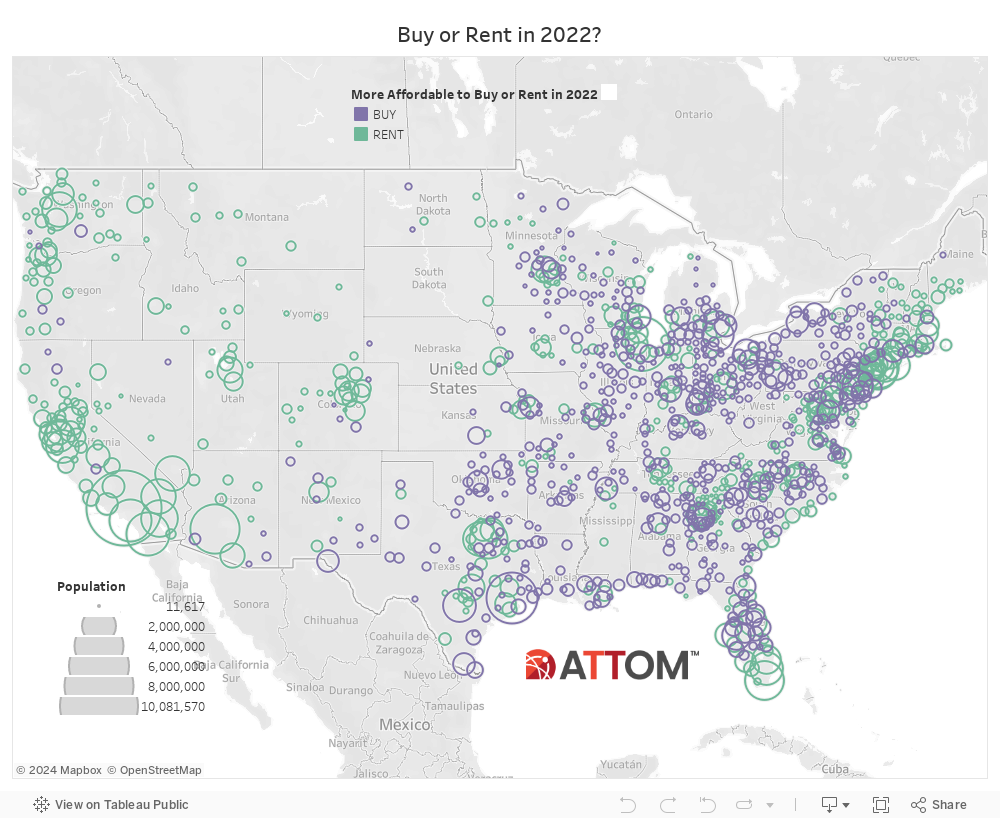
If you're trying to figure out whether to rent or buy in Birmingham, there's a simple way to crunch the numbers. Just divide the median home price by what you'd pay in rent for a year.
So you've got homes selling for around $183,000 and rent averaging $1,343 a month (that's $16,116 yearly). Do the math, and you get a ratio of 11.5. That's a pretty low number - anything under 15 usually means buying makes more financial sense than renting. With a price-to-rent ratio of 11.5, the cost of living in Birmingham Alabama, really does favor homeownership over renting.
Housing Wage
The National Low Income Housing Coalition ran the numbers on what you actually need to earn in Birmingham to afford a decent two-bedroom without being house-poor. For a single person, the requirements are slightly lower than the two-bedroom standard. They figured you need about $20.61 an hour working full-time - that's roughly $42,869 a year.
This assumes you're following the old rule of not spending more than 30% of your income on rent, which is solid financial advice. It's a pretty reasonable bar compared to what you'd need in most other cities, where that number can be absolutely brutal. By contrast, the Birmingham Alabama cost of living makes home affordability a realistic goal for many working households.
Average Income in Birmingham Alabama
Birmingham's got a pretty sweet setup when it comes to income versus what things actually cost. The median household income sits at $44,951 (Census Reporter), and the average salary is around $72,000 (Payscale) - not huge numbers, but the reduced cost of living in Birmingham Alabama means your money goes further here. That’s because the Birmingham Alabama cost of living stretches salaries further than in higher-priced metro areas.
Hourly wages average $28.14 (BLS) compared to $32.66 nationally. So yeah, you're making less on paper, but when your rent's 36% cheaper and everything else costs less too, you can live comfortably on Birmingham wages.
Here's what some common jobs pay around Birmingham:
- Hospital Administrator: $122,449 per year
- Mechanical Engineer: $76,496 per year
- Registered Nurse: $71,840 per year
- Digital Marketing Manager: $45,145 per year
- High School Teacher: $50,637 per year
Lower salaries combined with reduced expenses often result in superior purchasing power, making the cost of living in Birmingham Alabama, advantageous overall.
Income, Sales, & Property Taxes in Birmingham, Alabama
Alabama's reasonable tax structure helps maintain Birmingham's competitive cost of living in Birmingham Alabama advantage. Taxes in Birmingham are pretty reasonable - definitely lower than what you'd pay in a lot of other places. The state and local setup means you get to keep more of what you earn, which adds to Birmingham's whole affordability thing. Low property taxes are especially important in keeping the Birmingham Alabama cost of living competitive year after year.
Alabama Income Tax Rate
Alabama keeps income taxes pretty light. If you're single and making decent money, you'll pay 2% on your first $500, then 4% on the next chunk up to $3,000, and 5% on everything above that. If you're married filing together, it's the same percentages but with higher thresholds - 2% on your first $1,000, 4% on the next $5,000, then 5% after $6,000.
Sales Tax in Birmingham, Alabama
Birmingham's sales tax adds up to 10% when you combine everything - 4% for the state, 2% for Jefferson County, and another 4% for the city itself. That puts Alabama at #5 in the country for sales tax, which sounds pretty rough. But here's the thing - they keep income and property taxes low, so it kind of evens out. You're paying more when you buy stuff, but keeping more of your paycheck and not getting killed on property taxes if you own a home.
Jefferson County Property Taxes
Property taxes in Birmingham are among the lowest in the nation, one of several factors that make homeownership so attainable here. Jefferson County assesses property taxes based on 10% of the property's market value, with moderate millage rates. This results in annual property tax bills that often shock newcomers from high-tax states - for all the good reasons, of course!
That being said, in Jefferson County, property taxes are slightly above the state average, while in Shelby County they fall below it. Overall, moderate local rates help keep Birmingham Alabama housing costs more manageable than in many other metro areas.
Birmingham Alabama vs Atlanta Georgia Cost of Living
Birmingham and Atlanta represent two different Southern living philosophies. Birmingham prioritizes affordability while Atlanta offers big-city amenities at premium costs. Comparing Birmingham with Atlanta reveals how the cost of living in Birmingham Alabama, provides superior value despite lower average incomes.
| Expense Category | Birmingham, AL | Atlanta, GA | Difference |
| Overall Cost of Living Index | 91.2 | 98.6 | Atlanta +8.11% higher |
| Median Home Price | $183,000 | $397,000 | Atlanta +116.99% higher |
| Average Rent (All Units) | $1,343 | $1,773 | Atlanta +32.02% higher |
| Median Household Income | $44,951 | $85,880 | Atlanta +91.03% higher |
| Sales Tax Rate | 10.0% | 8.9% | Birmingham +12.36% higher |
| Income Tax (Top Rate) | 5.0% | 5.39% | Atlanta +7.8% higher |
| Average Salary | $72,000 | $82,000 | Atlanta +13.89% higher |
When you line up the numbers, the Birmingham Alabama cost of living consistently beats out Atlanta’s rising expenses.
Ready to Experience Life in the Magic City?
Birmingham, Alabama, proves that affordable living doesn't require sacrificing quality of life.
While salaries run below national averages, Birmingham's cost savings often provide superior purchasing power and quality of life compared to expensive markets. The city combines Southern hospitality, growing job opportunities, rich cultural heritage, and outdoor recreation at prices that actually make sense.
For families, young professionals, and retirees seeking authentic value, the cost of living in Birmingham Alabama represents one of America's best-kept secrets. For anyone seeking balance between affordability and quality of life, the Birmingham Alabama cost of living delivers a rare advantage.
Thinking of moving to Birmingham, Alabama? Our highly-rated team of trusted Birmingham local movers is here to make your transition smooth and hassle-free. With 2 decades of experience under our belts, we’ve handled it all - from maneuvering bulky furniture through historic Birmingham homes to managing commercial moves with precision. We treat every move with care, efficiency, and a deep understanding of Birmingham’s unique neighborhoods and logistics, so you can relax and focus on settling into your new space without the stress.
"*" indicates required fields